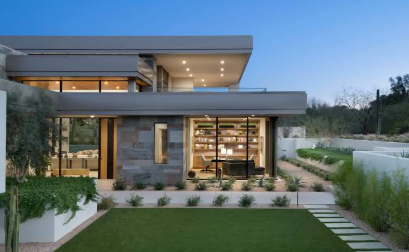
Outdoor designs inspired by a home improvement center rely on modular, cost-conscious systems. The approach favors repurposed pallets, crates, and quick-cut components for durable frames and surfaces anchored by standardized fasteners. Functional zones emerge from aisle-find seating, budget pits, and container planting, all adaptable to site constraints. Emphasis stays on drainage, grading, and low-maintenance landscaping to ensure sustainability as budgets permit, with a practical path forward that invites further examination.
What Makes DIY Outdoor Design Budget-Friendly?
DIY outdoor design projects can stay budget-friendly by leveraging readily available materials and components from home improvement centers. The approach emphasizes savvy sourcing, selecting durable yet affordable items, and aligning choices with site constraints through budget zoning. This method reduces waste, streamlines procurement, and promotes scalable solutions. Projects emphasize modularity, standardized fasteners, and cost-conscious layering of function, aesthetics, and long-term maintenance.
Repurposed Materials: Pallets, Crates, and Quick-Cuts for Structure
Repurposed materials from home improvement centers offer tangible structure options for outdoor design, focusing on pallets, crates, and quick-cut components.
The approach prioritizes stability and modular assembly using recycled pallets and crate upcycling, enabling scalable frames and surfaces.
Fasteners, sealants, and finishes ensure durability.
Design implications emphasize lightweight handling, repeatable patterns, and adaptable layouts suitable for freedom-minded, outdoor-use configurations.
Functional Zones From Aisle Finds: Seating, Fire, and Planting on a Budget
Functional zones can be established from aisle-found components by selecting seating, fire, and planting elements that balance cost, durability, and modularity.
The approach prioritizes seating ideas that fit compact layouts, budget friendly fire pits for gatherings, and planting zones that maximize space.
Budget friendly container gardens support easy maintenance, scalable arrangements, and flexible configurations without compromising safety or aesthetics.
Practical Engineering: Drainage, Grading, and Low-Maintenance Landscaping
Drainage, grading, and low-maintenance landscaping form the core of practical outdoor engineering by establishing stable soil conditions, reliable water management, and durable planting systems.
Practical engineering applies drainage principles and grading strategies to optimize outdoor design efficiency, using cost saving materials such as repurposed pallets, lumber pallets, crates and quick cuts.
Aisle find seating, budget friendly fire features, and planting on a budget support sustainable implementation.
Frequently Asked Questions
How Do You Choose Durable Outdoor Finishes on a Budget?
Durable finishes are achieved by selecting weather-tested sealants and paints with high UV resistance, applying proper surface prep, and prioritizing low maintenance products. The budget selection favors multi-year warranties, bulk purchases, and conservative color choices to optimize cost-efficiency.
What Safety Steps Ensure Pallet-Based Furniture Lasts Outdoors?
Like a seasoned craftsman, the paragraph emphasizes pallet maintenance and weatherproofing techniques as essential: for safety, inspect joints, seal joints and ends, apply penetrating preservative, elevate off ground, cure fully, and reuse hardware with corrosion resistance.
Can You Reuse Store Display Items for Outdoor Lighting?
Reusing store displays for outdoor lighting is feasible with proper stabilization, weatherproofing, and electrical safety checks. Reusing store displays yields cost-efficient outdoor lighting ideas, requiring precise mounting, corrosion resistance, and adherence to local codes while preserving aesthetic freedoms.
Which Low-Cost Plants Thrive in Shade Gardens Near Aisles?
Shade tolerant companions thrive in aisle-adjacent shade, selecting budget friendly nurturing practices. The approach remains practical: choose durable perennials and ferns, test soil moisture, mulch lightly, and group plants to maximize microclimates while maintaining freedom of layout.
How to Design Irrigation With Grocery-Store Drip Kits?
Designing irrigation with grocery store kits is feasible by repurposing reusing displays and integrating outdoor lighting for zones; the approach remains practical, precise, and technically grounded, enabling freedom to customize layouts while ensuring reliable, scalable irrigation performance.
See also: gazettedupmu2
Conclusion
In conclusion, DIY outdoor designs sourced from a home-improvement mindset prove both practical and scalable. A single statistic reinforces the value: up to 60% of project costs can be reduced by using pallets, crates, and standardized fasteners. By prioritizing modular frames, efficient drainage, and low-maintenance landscaping, spaces adapt to site constraints and evolving budgets. The result is durable, repeatable systems that expand gracefully, delivering functional zones—seating, fire, and planting—within a cohesive, budget-conscious framework.
